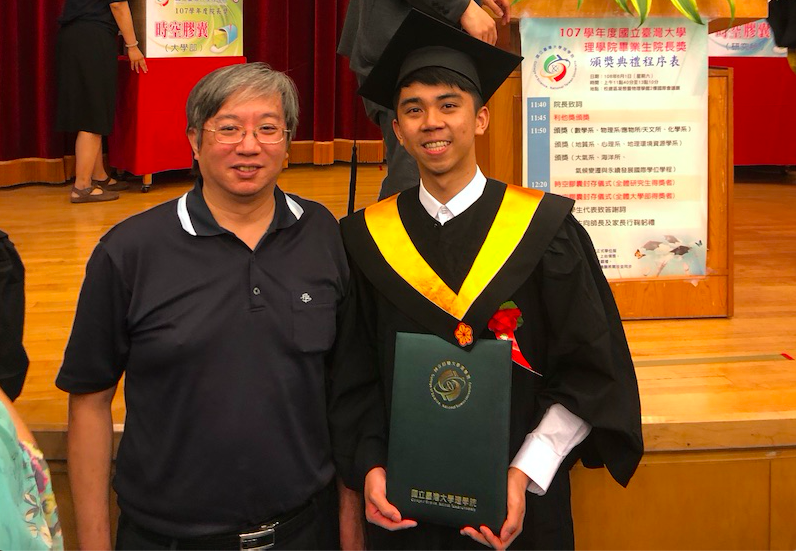
I joined Geographical Information Science Lab in the Department of Geography in National Taiwan University. My academic supervisor is Professor Tzai-Hung Wen, Ph.D.
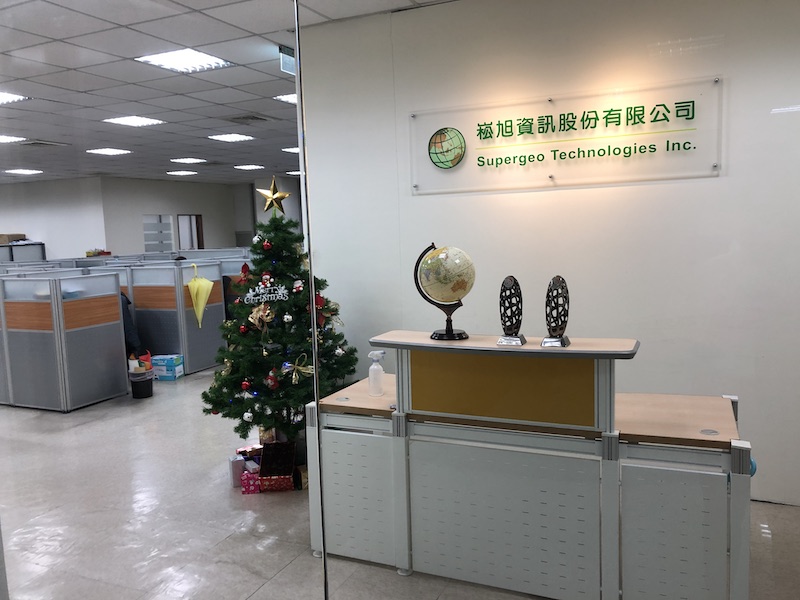 During my senior year of college, I actively sought internship opportunities in the geography industry. Fortunately, several prestigious Geo-Tech companies are located in Neihu Science Park, Taipei, and some of them offer internships. After several email exchanges and a face-to-face interview, I was successfully accepted for an internship in autumn 2018.
During my internship, I assisted the Project Department in updating the online database and checking for system flaws. Additionally, I helped the department revise website product manuals. Although an internship is not a compulsory requirement for graduation from my university, it was an opportunity to experience what life is like after graduating with a degree in geography. I learned a lot during my internship and became more familiar with the relevant working environment.
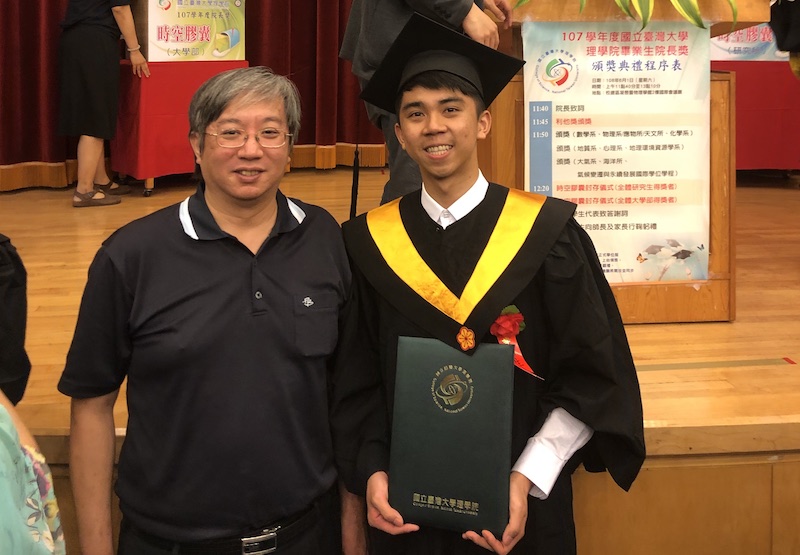 I developed a passion for geography during high school. After a challenging university entrance exam, I was admitted to the most prestigious university in Taiwan, National Taiwan University (NTU). Each year, approximately 140,000 high school students take the university entrance exam, and only 8,500 are admitted to NTU. In other words, only about 6% of students gain entry to NTU, allowing them to access premium educational resources far superior to those at other universities in Taiwan.
During my time at NTU, I was trained to handle geographical data, including remote sensing data and geostatistical data. In my third year, I developed a strong interest in Geospatial Computational Science. Consequently, I applied to have Professor Tzai-Huang Wen as my mentor and successfully received a research grant through the College Student Research Program from the Ministry of Science and Technology in Taiwan (research ID: 107-2813-C-002-134-M). My research project, titled "Location and Path of Mobile Police Station – Location Allocation Analysis," aimed to develop an active allocation pattern to use resources more efficiently.
 Chinese (also known as Mandarin) is my mother tongue. Taiwan recognizes several official languages, including Taiwanese, Hakka, and various Indigenous languages, with Mandarin being the primary official language. Consequently, I have received rigorous training in both writing and speaking Mandarin to a high standard.
English is a global language, so I began learning it at the age of seven. Through school instruction and self-study, I have become proficient in speaking, reading, writing, and listening to English in both academic and professional contexts. I have passed the GEPT High-Intermediate level and scored 98 on the TOEFL test, ensuring that I face no significant language barriers in English.
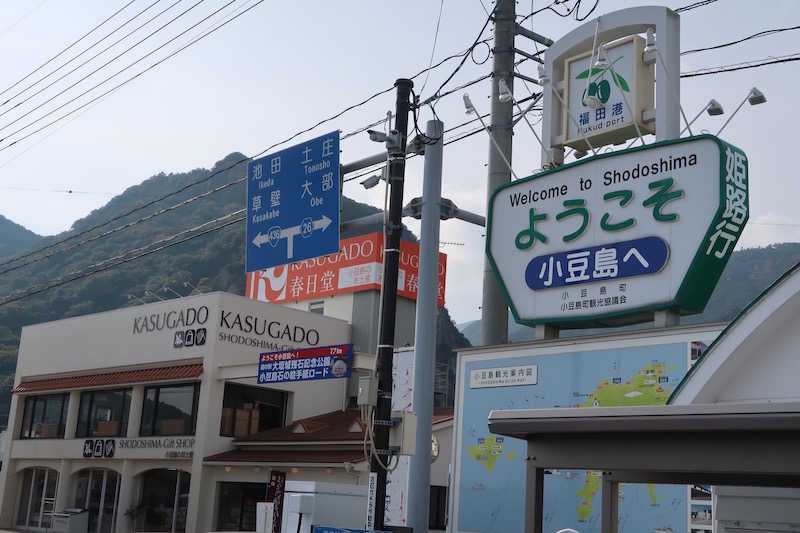
Japan has a significant historical connection with Taiwan, having governed the island from 1895 to 1945. Today, Japanese language and culture remain influential in Taiwan, especially in imported merchandise and restaurants. Given this context, I decided to learn Japanese as a freshman at NTU. After four years of study, I passed the JLPT N1 Japanese language certificate and acquired basic writing and speaking skills for everyday use.
I joined Geographical Information Science Lab in the Department of Geography in National Taiwan University. My academic supervisor is Professor Tzai-Hung Wen, Ph.D.
Any cooperation or suggestion is welcome to me. E-mail is on school system. Phonenumer and the Address is Geography Department of National Taiwan University
Since 7,August 2019 (Wed)